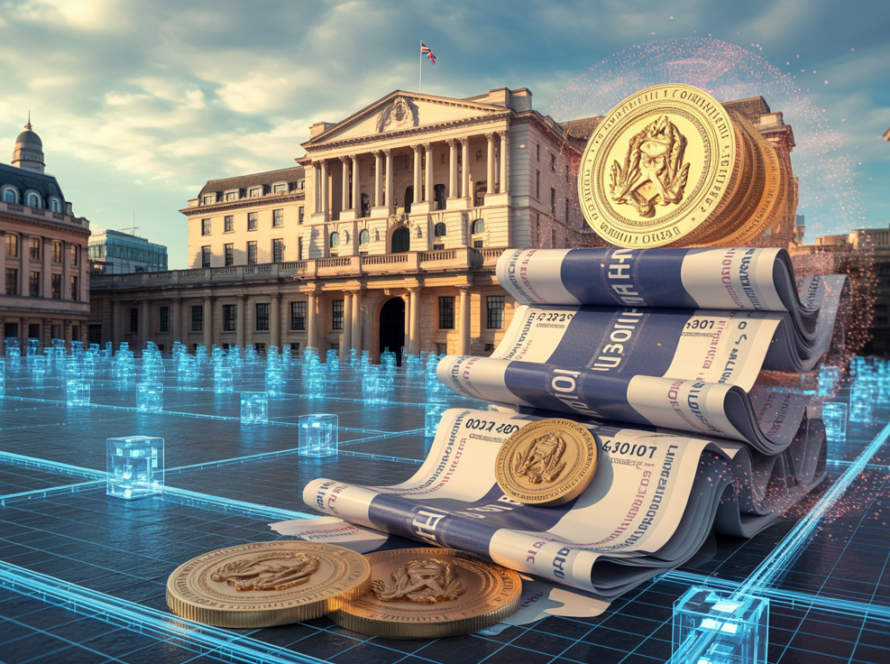
What is Asset Tokenization? A Comprehensive Guide to Blockchain-Based Securities
Published: January 3, 2026 | Category: Blockchain & Tokenization | Reading Time: 17 minutes
Key Takeaways
- Asset tokenization is the process of converting ownership rights in real-world assets into digital tokens on a blockchain, enabling fractional ownership, increased liquidity, and 24/7 trading
- The global tokenized asset market is projected to reach $16 trillion by 2030, transforming how we invest in real estate, private equity, art, and traditional securities
- Tokenization offers significant benefits including reduced transaction costs, faster settlement times, increased transparency, and democratized access to previously exclusive investments
- Regulatory frameworks have matured significantly, with SEC-regulated Alternative Trading Systems (ATS) now enabling compliant tokenized securities trading in the United States
- Smart contracts automate compliance including investor accreditation verification, transfer restrictions, dividend distributions, and corporate actions
- Institutional adoption is accelerating, with major financial institutions like BlackRock, JPMorgan, and Goldman Sachs actively developing tokenization platforms
Introduction: The Digital Transformation of Ownership
The concept of ownership is undergoing a fundamental transformation. For centuries, owning assets like real estate, company shares, or artwork has required physical documents, intermediaries, and complex legal structures. Asset tokenization is changing this paradigm by representing ownership rights as digital tokens on blockchain networks, creating a new infrastructure for how value is stored, transferred, and managed in the modern economy.
Having launched one of the first tokenized equities funds on a US-regulated ATS exchange, I have experienced firsthand the revolutionary potential of this technology. Asset tokenization is not merely a technological upgrade to existing systems; it represents a fundamental reimagining of financial market infrastructure with profound implications for investors, issuers, and the broader economy.
In this comprehensive guide, we will explore what asset tokenization is, how it works, its benefits and challenges, and what the future holds for this transformative technology. Whether you are an investor looking to understand new opportunities, a business considering tokenizing your assets, or simply curious about the future of finance, this guide will provide the knowledge you need.
Understanding Asset Tokenization: Fundamentals
What is Asset Tokenization?
Asset tokenization is the process of creating a digital representation of a real-world asset on a blockchain network. This digital representation, called a token, represents ownership rights in the underlying asset and can be transferred, traded, and managed using blockchain technology.
The key insight behind tokenization is that ownership rights are fundamentally information. When you own a share of stock, your ownership is recorded in databases maintained by various intermediaries. Tokenization moves this record-keeping to a blockchain, a distributed ledger that is transparent, immutable, and programmable.
A tokenized asset maintains all the legal rights of traditional ownership while gaining the technological advantages of blockchain infrastructure. The token holder has enforceable legal claims to the underlying asset, and the blockchain provides a transparent record of who owns what at any given time.
Types of Tokenized Assets
Virtually any asset with defined ownership rights can be tokenized. The most common categories include the following.
Real Estate Tokenization: Real estate is one of the most promising applications of tokenization. Traditionally, real estate investment requires substantial capital and involves complex, lengthy transactions. Tokenization enables fractional ownership, allowing investors to own shares in properties with small amounts of capital. It also dramatically simplifies the buying and selling process.
Securities Tokenization: Traditional securities like stocks and bonds can be tokenized to gain the benefits of blockchain infrastructure while maintaining regulatory compliance. Security tokens are subject to securities regulations and must comply with requirements like investor accreditation and transfer restrictions.
Private Equity and Venture Capital: Tokenization enables fractional ownership of private company shares, potentially unlocking liquidity in previously illiquid markets. Investors can gain exposure to private companies without meeting the high minimums typical of traditional private placements.
Art and Collectibles: High-value art, rare collectibles, and other alternative assets can be tokenized, allowing multiple investors to own shares in a single piece. This democratizes access to asset classes previously available only to ultra-high-net-worth individuals.
Commodities: Physical commodities like gold, silver, and oil can be tokenized, enabling more efficient trading and ownership transfer. Some commodity tokens are backed by physical assets held in custody, while others represent claims on commodity futures.
Intellectual Property: Patents, copyrights, royalty streams, and other intellectual property can be tokenized, creating new ways to invest in creative works and innovations.
How Tokenization Works: The Technical Process
The tokenization process involves several key steps that transform a real-world asset into a tradeable digital token.
Asset Identification and Valuation: The first step is identifying the asset to be tokenized and determining its value. This may involve professional appraisals, audits, or market analysis depending on the asset type.
Legal Structuring: The legal structure defines the relationship between the token and the underlying asset. This typically involves creating a special purpose vehicle (SPV) that holds the asset, with tokens representing ownership shares in the SPV. The legal structure must comply with applicable securities laws and define the rights of token holders.
Smart Contract Development: Smart contracts are self-executing programs on the blockchain that encode the rules governing the token. They define token supply, transfer restrictions, compliance requirements, and other parameters. Once deployed, smart contracts execute automatically without requiring trusted intermediaries.
Token Creation and Issuance: Tokens are created, or minted, according to the rules defined in the smart contract. The total supply typically corresponds to the total value of the underlying asset divided into units. Tokens are then issued to initial investors through a regulated offering process.
Custody and Asset Management: The underlying asset must be securely held and managed throughout the token’s life. For real estate, this involves property management. For securities, it involves working with transfer agents and custodians. The connection between the token and the underlying asset must be maintained and auditable.
Trading and Transfer: Once issued, tokens can be traded on regulated exchanges or through peer-to-peer transactions, subject to compliance requirements encoded in the smart contract. The blockchain provides a transparent record of all transfers.
The Benefits of Asset Tokenization
Fractional Ownership and Democratized Access
Perhaps the most significant benefit of tokenization is enabling fractional ownership of assets that were previously accessible only to wealthy investors. A $10 million commercial property can be divided into millions of tokens, allowing investors to purchase shares for as little as $10 or $100.
This democratization of access has profound implications for wealth building and investment diversification. Previously, an individual investor would need substantial capital to achieve meaningful diversification across asset classes like real estate, private equity, and alternative investments. Tokenization enables portfolio diversification at any wealth level.
For issuers, fractional ownership expands the potential investor base dramatically. Rather than seeking a single buyer for a large asset, issuers can reach thousands or millions of smaller investors.
Increased Liquidity
Traditional alternative investments like real estate and private equity are notoriously illiquid. Selling a commercial property can take months and involve substantial transaction costs. Private company shares often cannot be sold at all until an exit event like an IPO or acquisition.
Tokenization dramatically improves liquidity by enabling peer-to-peer trading on blockchain networks and regulated exchanges. While tokenized assets are not as liquid as publicly traded stocks, they offer significant liquidity improvements over traditional alternatives.
The liquidity premium associated with tokenized assets can increase valuations. Assets that can be easily traded are worth more than identical assets that cannot, reflecting the option value of being able to exit an investment.
Reduced Transaction Costs and Settlement Times
Traditional asset transfers involve numerous intermediaries including brokers, custodians, clearinghouses, and lawyers. Each intermediary adds cost and time to transactions. Stock trades in traditional markets settle in T+2, meaning two business days after the trade. Real estate transactions can take weeks or months.
Blockchain-based transfers can settle in minutes or even seconds, with all parties having immediate access to an authoritative record of the transaction. The reduction in intermediaries translates directly to cost savings.
For cross-border transactions, the benefits are even more pronounced. Traditional international transfers involve correspondent banks, currency conversion, and multiple regulatory regimes. Blockchain transactions operate on global networks without regard to national borders, dramatically simplifying international investment.
Programmable Compliance Through Smart Contracts
One of the most powerful features of tokenized assets is the ability to encode compliance requirements directly into smart contracts. Rather than relying on manual processes and human judgment, compliance can be automated and enforced programmatically.
Investor Accreditation: Smart contracts can verify that buyers meet accreditation requirements before allowing transfers. This ensures that securities are only held by qualified investors without requiring manual verification for each transaction.
Transfer Restrictions: Lock-up periods, holding requirements, and other transfer restrictions can be enforced automatically. The smart contract simply rejects transactions that would violate the rules.
Regulatory Reporting: Blockchain transactions create an immutable audit trail that simplifies regulatory reporting. Regulators can access real-time information about ownership and trading activity.
Corporate Actions: Dividends, interest payments, and other distributions can be automated through smart contracts. When a distribution is due, the smart contract automatically calculates and executes payments to all token holders.
Enhanced Transparency and Auditability
Blockchain networks provide unprecedented transparency into asset ownership and transaction history. Every transfer is recorded on a public ledger that cannot be altered or deleted.
This transparency benefits multiple stakeholders. Investors can verify their ownership and track the history of their assets. Regulators can audit compliance without requesting documents from intermediaries. Issuers can understand their investor base and communicate directly with token holders.
The immutability of blockchain records also reduces fraud risk. Ownership records cannot be falsified, and the provenance of assets can be traced back to their origin.
24/7 Global Markets
Traditional financial markets operate on limited schedules. The New York Stock Exchange is open from 9:30 AM to 4:00 PM Eastern Time on weekdays. Real estate transactions can only be processed during business hours.
Blockchain networks operate continuously, enabling 24/7 trading and settlement. This is particularly valuable for global assets and international investors in different time zones.
The always-on nature of blockchain markets also enables more efficient price discovery, as prices can adjust continuously to new information rather than waiting for market opening.
Regulatory Landscape for Tokenized Assets
United States Regulatory Framework
In the United States, tokenized assets are primarily regulated by the Securities and Exchange Commission (SEC) under existing securities laws. The SEC has made clear that tokens representing investment contracts are securities and must comply with registration requirements or qualify for exemptions.
Regulation D Offerings: Most tokenized security offerings rely on Regulation D exemptions, which allow securities to be sold to accredited investors without full SEC registration. Rule 506(b) permits sales to up to 35 non-accredited investors with certain disclosure requirements. Rule 506(c) allows general solicitation but requires verification that all purchasers are accredited.
Regulation A+ Offerings: For issuers seeking to reach non-accredited investors, Regulation A+ permits offerings up to $75 million annually with reduced disclosure requirements compared to full registration. This pathway enables broader retail participation in tokenized offerings.
Regulation S Offerings: For offerings to non-US investors, Regulation S provides a safe harbor from SEC registration. Many tokenized offerings combine Regulation D for US investors with Regulation S for international investors.
Alternative Trading Systems: Once issued, security tokens can trade on SEC-registered Alternative Trading Systems (ATS). These platforms provide regulated secondary markets for tokenized securities, offering liquidity while maintaining compliance. At Savanti Investments, we launched one of the first tokenized equities funds on a US-regulated ATS, demonstrating that compliant tokenized securities trading is now a reality.
International Regulatory Developments
Regulatory frameworks for tokenized assets are developing globally, with different jurisdictions taking varying approaches.
European Union: The EU has developed the Markets in Crypto-Assets (MiCA) regulation, which provides a comprehensive framework for crypto-assets including certain types of tokens. Additionally, the pilot regime for DLT market infrastructure allows experimentation with blockchain-based securities trading.
Switzerland: Switzerland has established itself as a leading jurisdiction for tokenized assets with a principles-based regulatory approach. The Swiss DLT Act, effective since 2021, provides clear legal recognition for tokenized securities.
Singapore: The Monetary Authority of Singapore (MAS) has taken a progressive approach to tokenization, providing clear guidance while encouraging innovation through regulatory sandboxes.
Hong Kong: Hong Kong has developed a licensing regime for virtual asset service providers and has indicated openness to tokenized securities offerings.
The trend globally is toward regulatory clarity and acceptance of tokenized assets, though the specific requirements vary significantly by jurisdiction.
Compliance Considerations for Issuers
Issuers considering tokenization must navigate complex regulatory requirements. Key considerations include securities registration or exemption qualification, KYC/AML requirements for investor onboarding, custody and asset management obligations, ongoing reporting and disclosure requirements, and transfer agent and broker-dealer relationships.
Working with experienced legal counsel is essential for navigating these requirements. The regulatory landscape continues to evolve, and staying current with developments is crucial for maintaining compliance.
Challenges and Limitations
Regulatory Uncertainty
Despite significant progress, regulatory uncertainty remains a challenge for tokenized assets. Different jurisdictions have different requirements, and regulations continue to evolve. Issuers must navigate complex and sometimes conflicting rules.
The classification of tokens as securities, commodities, or other instruments remains contentious in some cases. This uncertainty can create legal risk for issuers and platforms.
Technology and Infrastructure Maturity
While blockchain technology has advanced significantly, the infrastructure for tokenized assets is still maturing. Challenges include scalability limitations of some blockchain networks, interoperability between different blockchain platforms, custody solutions for institutional investors, and integration with legacy financial systems.
These challenges are being addressed through ongoing technological development, but they remain considerations for anyone entering the tokenization space.
Liquidity Constraints
While tokenization improves liquidity compared to traditional alternatives, tokenized assets are not as liquid as publicly traded securities. The market for tokenized assets is still developing, and trading volumes can be limited.
Liquidity is a network effect; it improves as more participants join the market. As adoption grows, liquidity is expected to improve, but current limitations should be understood.
Valuation Challenges
Valuing tokenized assets can be challenging, particularly for unique assets like real estate or art. Without active trading markets, determining fair value requires appraisals and models that may be subjective.
The lack of historical data for tokenized assets also makes it difficult to assess their risk characteristics and optimal portfolio allocations.
Custody and Key Management
Blockchain assets require secure management of private keys. Loss of private keys means loss of assets, with no recourse to recover them. This creates operational challenges for both individual investors and institutions.
Institutional-grade custody solutions have emerged to address this challenge, but the risk of key loss or theft remains a consideration.
Real-World Applications and Case Studies
Real Estate Tokenization in Practice
Real estate tokenization has seen significant adoption, with platforms enabling fractional ownership of commercial and residential properties worldwide.
A notable example is the tokenization of the St. Regis Aspen Resort, which raised $18 million through a security token offering. Investors received tokens representing fractional ownership in the luxury property, with the ability to trade on secondary markets.
Similarly, platforms like RealT have tokenized hundreds of residential properties, allowing investors to own shares in rental properties and receive proportional distributions of rental income.
Tokenized Funds
Investment funds are increasingly being tokenized to improve operational efficiency and investor access. Tokenized funds offer the same investment exposure as traditional funds while providing benefits like faster subscriptions and redemptions, reduced administrative costs, enhanced transparency for investors, and global accessibility.
At Savanti Investments, our tokenized equities fund demonstrates the viability of this model on a regulated US exchange, providing institutional-grade investment management through a tokenized structure.
Art and Collectibles
The art market has embraced tokenization as a way to democratize access to blue-chip artwork. Platforms like Masterworks have enabled fractional ownership of paintings by artists like Banksy and Basquiat.
Tokenization solves several problems in the art market. It reduces the capital required for investment, provides liquidity in an traditionally illiquid market, and creates transparency around ownership and provenance.
Private Equity Access
Tokenization is opening private equity investments to a broader range of investors. Platforms are tokenizing stakes in private companies, venture capital funds, and growth equity strategies.
This democratization of private equity access is significant because private markets have historically delivered strong returns that were available only to institutional investors and ultra-high-net-worth individuals.
The Future of Asset Tokenization
Institutional Adoption Acceleration
Major financial institutions are increasingly embracing tokenization. BlackRock, the world’s largest asset manager, has launched tokenized funds and publicly stated that tokenization represents the future of markets. JPMorgan has developed its own blockchain platform for tokenized assets. Goldman Sachs has launched a digital asset platform.
This institutional adoption validates tokenization as a mainstream financial technology and will drive continued growth and innovation.
Integration with Traditional Finance
The future will see increasing integration between tokenized and traditional assets. Interoperability protocols will enable seamless movement of value between blockchain networks and legacy systems.
Traditional exchanges are exploring tokenized securities trading, and brokerages are adding support for digital assets. Eventually, the distinction between tokenized and traditional assets may become invisible to end users.
Expansion to New Asset Classes
As the technology and regulatory frameworks mature, tokenization will expand to new asset classes. Potential areas include infrastructure projects and public-private partnerships, carbon credits and environmental assets, sports contracts and entertainment royalties, and insurance-linked securities.
The breadth of assets that can be tokenized is limited only by imagination and regulatory frameworks.
Technological Evolution
Blockchain technology continues to advance, with improvements in scalability, privacy, and functionality. Layer 2 solutions enable higher transaction throughput. Zero-knowledge proofs provide privacy while maintaining auditability. Cross-chain protocols enable interoperability between different blockchain networks.
These technological advances will address current limitations and enable new applications for tokenized assets.
Regulatory Clarity
Regulatory frameworks for tokenized assets are becoming clearer globally. As regulators gain experience with the technology, rules are becoming more defined and consistent.
This regulatory clarity reduces risk for issuers and investors, encouraging broader participation in tokenized markets.
How to Get Started with Tokenized Assets
For Investors
Investors interested in tokenized assets should start by understanding the risks and benefits involved. Due diligence is essential, including verifying that platforms are properly regulated, understanding the legal structure of tokenized offerings, assessing the quality of underlying assets, and evaluating liquidity and exit options.
Several regulated platforms offer access to tokenized investments for accredited investors. Starting with small positions and established platforms is a prudent approach for newcomers.
For Issuers
Businesses considering tokenizing assets should begin with a clear understanding of their objectives and the regulatory requirements in their jurisdiction. Key steps include engaging experienced legal counsel, selecting appropriate blockchain and technology partners, developing compliant token structures and smart contracts, establishing custody and asset management arrangements, and planning for ongoing compliance and reporting.
The tokenization process requires careful planning and execution, but the benefits in terms of capital access, liquidity, and operational efficiency can be substantial.
Conclusion: A New Chapter in Financial Markets
Asset tokenization represents a fundamental evolution in how ownership is recorded, transferred, and managed. By bringing the benefits of blockchain technology to real-world assets, tokenization is creating more efficient, accessible, and transparent financial markets.
The transformation is still in its early stages. While significant progress has been made in technology, regulation, and adoption, the full potential of tokenization has yet to be realized. The coming years will see continued growth in tokenized assets, increasing institutional adoption, and expansion to new asset classes.
For investors, tokenization offers new opportunities for diversification and access to previously unavailable investments. For issuers, it provides new channels for capital formation and improved operational efficiency. For the broader economy, it promises more efficient allocation of capital and democratized wealth building.
The future of finance is being built on blockchain infrastructure, and asset tokenization is at the forefront of this transformation.
Frequently Asked Questions
What is the difference between tokenization and cryptocurrency?
While both use blockchain technology, tokenization and cryptocurrency serve different purposes. Cryptocurrencies like Bitcoin and Ethereum are native digital assets that exist only on their blockchain networks. Tokenized assets are digital representations of real-world assets like real estate, stocks, or art. The token derives its value from the underlying asset it represents, while cryptocurrencies derive value from their utility, scarcity, and network effects. Security tokens are also subject to securities regulations, while cryptocurrencies may be classified differently depending on their characteristics and use.
Are tokenized assets regulated?
Yes, tokenized assets are subject to existing financial regulations in most jurisdictions. In the United States, security tokens must comply with SEC regulations, which typically means either registering the securities or qualifying for exemptions like Regulation D. Platforms trading tokenized securities must be registered as broker-dealers or Alternative Trading Systems. This regulatory oversight provides investor protections similar to those for traditional securities while enabling the technological benefits of blockchain infrastructure.
Can anyone invest in tokenized assets, or are there restrictions?
Investment in tokenized assets is subject to regulatory restrictions that vary by jurisdiction and offering type. In the United States, most security token offerings are limited to accredited investors under Regulation D. Accredited investors are individuals with net worth exceeding $1 million excluding their primary residence or annual income exceeding $200,000 for individuals or $300,000 for couples. Some offerings using Regulation A+ or Regulation Crowdfunding can accept non-accredited investors with certain limitations. International offerings may have different requirements based on local regulations.
How do I know if a tokenized asset offering is legitimate?
Due diligence is essential when evaluating tokenized asset offerings. Key factors to verify include regulatory compliance by confirming the offering is properly structured under applicable securities laws, platform legitimacy by checking whether the platform is registered with appropriate regulators like the SEC for US offerings, legal structure by understanding how the token relates to the underlying asset and what rights token holders have, team background by researching the people behind the offering and their track record, and asset quality by evaluating the underlying asset as you would any investment. Be wary of offerings that promise unusually high returns, lack transparency about their legal structure, or operate outside of regulatory frameworks.
What happens if the platform hosting my tokenized assets goes out of business?
This is an important consideration that highlights the importance of understanding the legal structure of tokenized offerings. In properly structured tokenizations, your ownership rights exist independently of the platform. The tokens represent legal ownership in the underlying asset, typically through an SPV structure, and these rights persist regardless of the platform’s status. However, platform failure could affect your ability to trade tokens on secondary markets and access certain services. Choosing offerings with clear legal structures, reputable custodians, and established platforms reduces this risk.
About the Author
Braxton Tulin is the Founder, CEO & CIO of Savanti Investments and CEO & CMO of Convirtio. With 20+ years of experience in AI, blockchain, quantitative finance, and digital marketing, he has built proprietary AI trading platforms including QuantAI, SavantTrade, and QuantLLM, and launched one of the first tokenized equities funds on a US-regulated ATS exchange. He holds executive education from MIT Sloan School of Management and is a member of the Blockchain Council and Young Entrepreneur Council.
Investment Disclaimer
The information provided in this article is for educational and informational purposes only and should not be construed as investment advice, financial advice, trading advice, or any other type of advice. Nothing contained herein constitutes a solicitation, recommendation, endorsement, or offer to buy or sell any securities or other financial instruments.
Past performance is not indicative of future results. All investments involve risk, including the possible loss of principal. The strategies and investments discussed may not be suitable for all investors. Before making any investment decision, you should consult with a qualified financial advisor and conduct your own research and due diligence.
The author and associated entities may hold positions in securities or assets mentioned in this article. The views expressed are solely those of the author and do not necessarily reflect the views of any affiliated organizations.
Tokenized assets carry unique risks including regulatory risk, technology risk, liquidity risk, and the risk that the connection between the token and underlying asset may be impaired. The regulatory framework for tokenized assets continues to evolve, and changes in regulations could significantly impact the value and transferability of tokens.
This article discusses securities offerings that may be limited to accredited investors or subject to other restrictions. Readers should verify their eligibility and understand all applicable restrictions before investing in any tokenized assets.